News
Peter Schiff Says Bitcoin Will Underperform Gold
A June 16 highlight clip centers on Peter Schiff’s view that Bitcoin may survive, but still lag gold as a long-term store of value.
Diego MartinezJun 19, 2026

Upbit is set to list PEAQ, LIT, KMNO, MORPHO, GRAM, LDO, PAXG, OSMO and AMP. This outline keeps the story tightly focused on the announcement, token relevance and what traders should watch next.
News
72Blockchain Event
70Crypto Investment
53Top Projects
35Mining
12News
Blockchain Event
Crypto Investment
Top Projects
Mining
Trading Mock Pro
Paper-trade BTC against an AI-driven mock bot with live pricing, bias updates, and session analytics.
Built for fast scenario testing when you want to inspect bot behavior, risk posture, and trade sequencing without deploying capital.
Live BTC market
Stream paper trades against live Binance price action and chart structure.
AI bot logic
Track entries, exits, confidence, bias shifts, and the bot narrative in one panel.
Session controls
Review PnL, leverage, trade history, and risk behavior without touching real capital.
A June 16 highlight clip centers on Peter Schiff’s view that Bitcoin may survive, but still lag gold as a long-term store of value.

Hsiao-Wei Wang is stepping down as co-executive director and board member of the Ethereum Foundation. Here’s what the leadership change means.

The World Datacentre Summit Philippines 2026 is now officially inviting organizations, technology innovators, infrastructure providers, and industry leaders to participate as sponsors, speakers, and exhibitors at one of the Philippines’ most anticipated digital infrastructure gatherings.
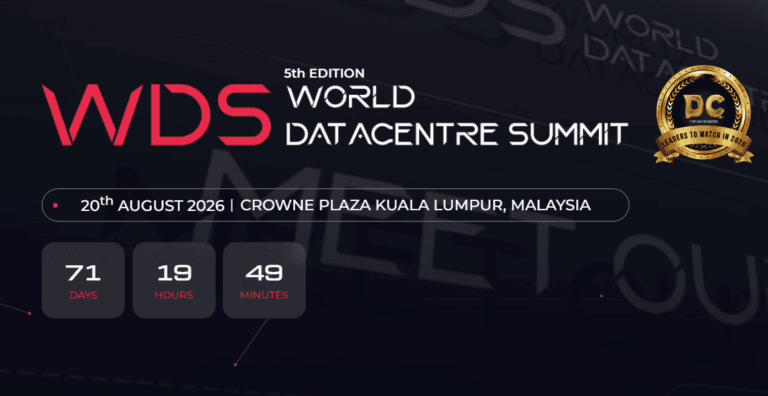
The World Datacentre Summit Malaysia 2026 is now officially inviting organizations, technology innovators, infrastructure providers, and industry leaders to participate as sponsors, speakers, and exhibitors at one of Malaysia’s premier gatherings focused on digital infrastructure and datacentre innovation.
AI Tools Spotlight
Paper-trade BTC against an AI mock bot with live pricing
Scan holder quality and concentration for token projects
Use Case Radar — AI Agents
Evidence Density Guide
High Evidence
Strong on-chain and product signals
Medium Evidence
Some proof, more data needed
Low Evidence
Limited signals, higher uncertainty
Radar reflects Q2 2026 on-chain signal quality across 6 agent economy dimensions.
Upbit is set to list PEAQ, LIT, KMNO, MORPHO, GRAM, LDO, PAXG, OSMO and AMP. This outline keeps the story tightly focused on the announcement, token relevance and what traders should watch next.
A June 16 highlight clip centers on Peter Schiff’s view that Bitcoin may survive, but still lag gold as a long-term store of value.
Hsiao-Wei Wang is stepping down as co-executive director and board member of the Ethereum Foundation. Here’s what the leadership change means.

Binance has published its 43rd Proof of Reserves report, highlighting reserve transparency, asset backing, and what the latest snapshot means for crypto users.
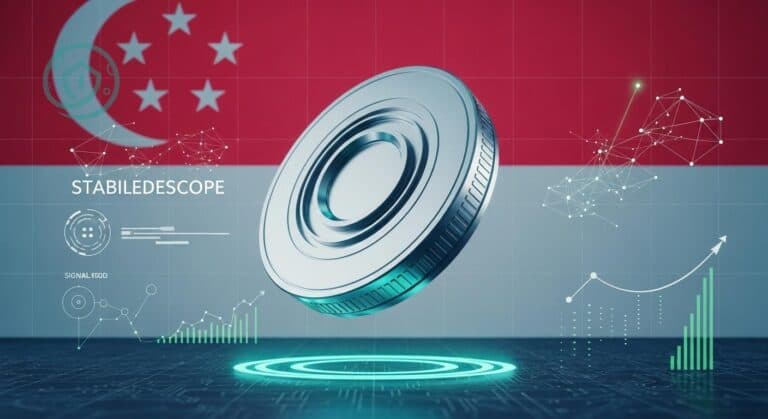
The MAS single-currency stablecoin (SCS) framework sets custody, redemption and disclosure terms; MetaComp’s $22M Pre-A backs regulated cross-border settlement.
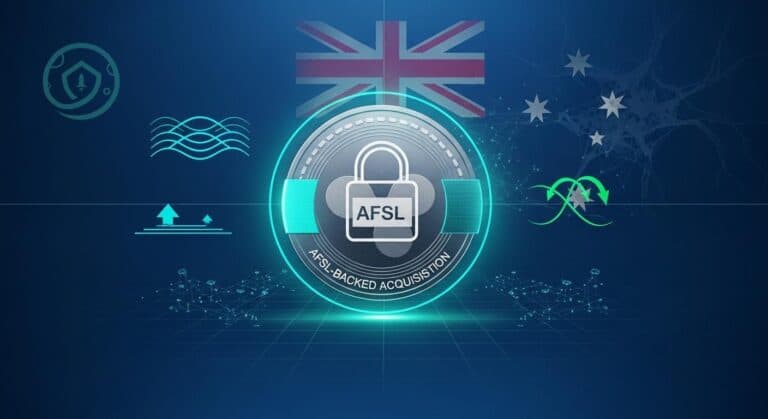
Ripple’s BC Payments deal seeks an Australian Financial Services License (AFSL) to enable onboarding; pending approval and APAC limits keep XRP reaction muted.
Data shows a $750M buyback implies the Ripple $50 billion valuation, as executives point to regulatory clarity for staying private; XRP’s divergence persists.
FDIC plans to deny pass-through cover for payment stablecoins to address outflows; analysts cite GENIUS Act, pass-through deposit insurance, deposit flight
Independent GRVT review using live market data, platform screenshots, fee checks, Validium risk analysis, and a trader-focused trust assessment.

The crypto payment gateways best positioned for AI-agent and machine-payment flows are PayRam, Stripe, MoonPay Commerce, Coinbase Commerce, BVNK, and 0xProcessing.
The top meme coin presales to watch in 2025 include Bitcoin Hyper ($HYPER), Maxi Doge ($MAXI), Snorter ($SNORT), PepeNode ($PEPENODE), and Little Pepe ($LILPEPE). These presales combine high staking yields, Layer 2 innovation, and 100x potential, shaping the next phase of meme-driven blockchain investing.
The World Datacentre Summit Philippines 2026 is now officially inviting organizations, technology innovators, infrastructure providers, and industry leaders to participate as sponsors, speakers, and exhibitors at one of the Philippines’ most anticipated digital infrastructure gatherings.
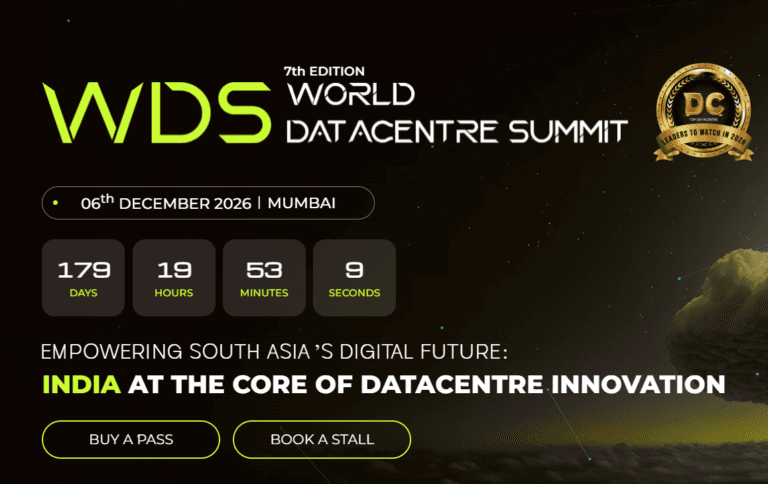
The World Datacentre Summit India 2026 is now officially inviting organizations, technology innovators, infrastructure providers, and industry leaders to participate as sponsors, speakers, and exhibitors at one of India’s most influential digital infrastructure and datacentre events.

EBC12 convenes on 16–17 September 2026 — bringing together the decision-makers, allocators and infrastructure providers who are defining what comes next

The Philippines is strengthening its position as a key cybersecurity and digital resilience hub in Southeast Asia.