News
Strategy mNAV Falls Below 1 After June 26 Market Close
The decline was reported by The Block , which noted that Strategy’s enterprise mNAV dipped below the critical 1. 0 level.
Marcus WebbJun 26, 2026
News
70Blockchain Event
73Crypto Investment
18Top Projects
35Mining
12News
Blockchain Event
Crypto Investment
Top Projects
Mining
Trading Mock Pro
Paper-trade BTC against an AI-driven mock bot with live pricing, bias updates, and session analytics.
Built for fast scenario testing when you want to inspect bot behavior, risk posture, and trade sequencing without deploying capital.
Live BTC market
Stream paper trades against live Binance price action and chart structure.
AI bot logic
Track entries, exits, confidence, bias shifts, and the bot narrative in one panel.
Session controls
Review PnL, leverage, trade history, and risk behavior without touching real capital.
The decline was reported by The Block , which noted that Strategy’s enterprise mNAV dipped below the critical 1. 0 level.

Australia’s financial regulator, the Australian Securities and Investments Commission (ASIC), has extended its crypto licensing grace period to September 30, 2026, giving digital asset businesses additional time to prepare for upcoming compliance requirements.

TORONTO, ON – Canada Crypto Week returns July 20–26, 2026, for its sixth year, bringing together dozens of events across Canada focused on cryptocurrency, digital assets, and artificial intelligence.

The expiry covers roughly 150,000 BTC options contracts , making it one of the larger scheduled expirations this quarter. The sheer volume of contracts settling at once concentrates market attention around key strike prices.
AI Tools Spotlight
Paper-trade BTC against an AI mock bot with live pricing
Scan holder quality and concentration for token projects
Use Case Radar — AI Agents
How To Read This Radar
High Evidence
Strong on-chain and product signals
Medium Evidence
Some proof, more data needed
Low Evidence
Limited signals, higher uncertainty
These labels are a reading legend for the radar, not a separate scoring widget.
Radar reflects Q2 2026 on-chain signal quality across 6 agent economy dimensions.

Ripple CEO Brad Garlinghouse has publicly criticized Michael Saylor’s Bitcoin-focused corporate treasury strategy, arguing it has damaged the broader cryptocurrency market.
The decline was reported by The Block , which noted that Strategy’s enterprise mNAV dipped below the critical 1. 0 level.
Australia’s financial regulator, the Australian Securities and Investments Commission (ASIC), has extended its crypto licensing grace period to September 30, 2026, giving digital asset businesses additional time to prepare for upcoming compliance requirements.
The expiry covers roughly 150,000 BTC options contracts , making it one of the larger scheduled expirations this quarter. The sheer volume of contracts settling at once concentrates market attention around key strike prices.

The MAS single-currency stablecoin (SCS) framework sets custody, redemption and disclosure terms; MetaComp’s $22M Pre-A backs regulated cross-border settlement.
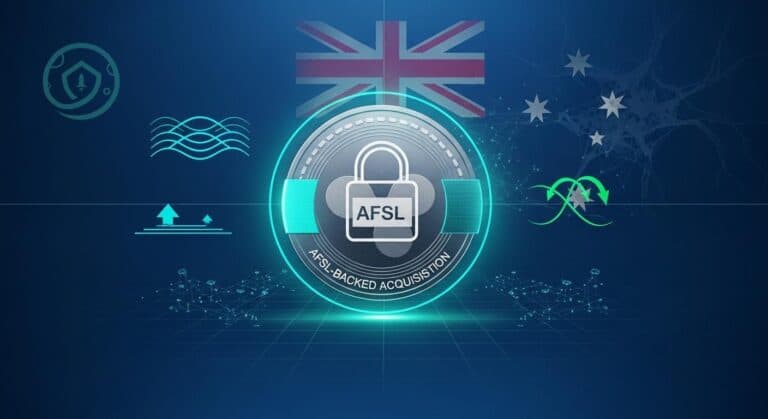
Ripple’s BC Payments deal seeks an Australian Financial Services License (AFSL) to enable onboarding; pending approval and APAC limits keep XRP reaction muted.

Data shows a $750M buyback implies the Ripple $50 billion valuation, as executives point to regulatory clarity for staying private; XRP’s divergence persists.

FDIC plans to deny pass-through cover for payment stablecoins to address outflows; analysts cite GENIUS Act, pass-through deposit insurance, deposit flight

Independent GRVT review using live market data, platform screenshots, fee checks, Validium risk analysis, and a trader-focused trust assessment.

The crypto payment gateways best positioned for AI-agent and machine-payment flows are PayRam, Stripe, MoonPay Commerce, Coinbase Commerce, BVNK, and 0xProcessing.

The top meme coin presales to watch in 2025 include Bitcoin Hyper ($HYPER), Maxi Doge ($MAXI), Snorter ($SNORT), PepeNode ($PEPENODE), and Little Pepe ($LILPEPE). These presales combine high staking yields, Layer 2 innovation, and 100x potential, shaping the next phase of meme-driven blockchain investing.
TORONTO, ON – Canada Crypto Week returns July 20–26, 2026, for its sixth year, bringing together dozens of events across Canada focused on cryptocurrency, digital assets, and artificial intelligence.
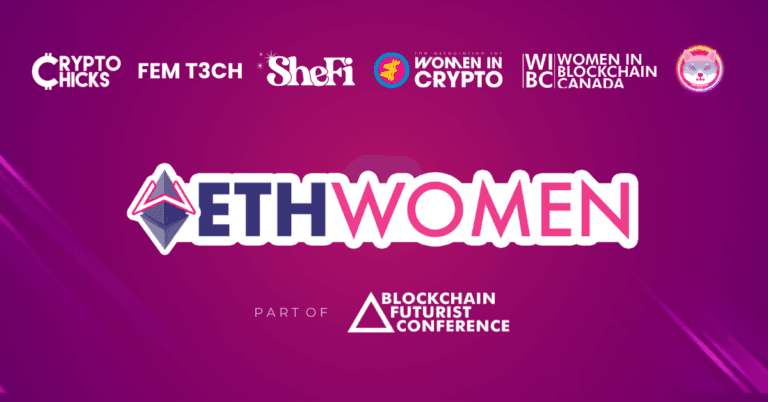
ETHWomen returns on July 22, 2026, bringing together women from across the Web3 and AI industries. As part of Canada Crypto Week, the event features networking, educational sessions, and community-driven experiences designed to foster connection and collaboration.

The World Datacentre Summit Philippines 2026 is now officially inviting organizations, technology innovators, infrastructure providers, and industry leaders to participate as sponsors, speakers, and exhibitors at one of the Philippines’ most anticipated digital infrastructure gatherings.

The World Datacentre Summit India 2026 is now officially inviting organizations, technology innovators, infrastructure providers, and industry leaders to participate as sponsors, speakers, and exhibitors at one of India’s most influential digital infrastructure and datacentre events.