MAS Issues AI Stablecoin Framework: What DeFi-AI Projects Must Know
Singapore's Monetary Authority has released comprehensive guidelines for AI-managed stablecoin reserves, setting a global precedent for how regulators view autonomous financial systems.
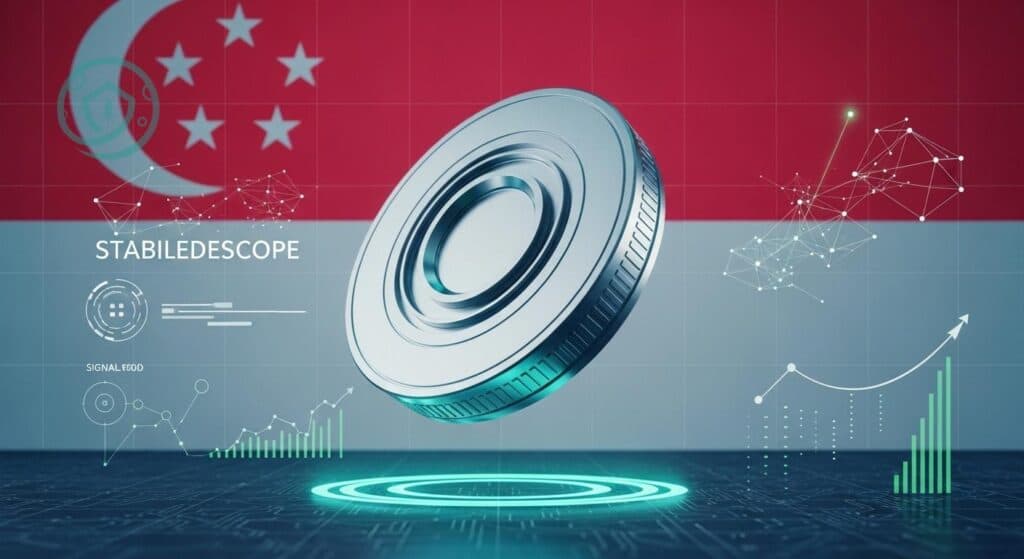
The Monetary Authority of Singapore (MAS) released its landmark AI Stablecoin Framework on Thursday, becoming the first major financial regulator to issue comprehensive guidelines specifically addressing AI-managed reserve systems. The framework will take effect January 1, 2027, giving projects approximately 7 months to comply.
Core Requirements
The framework establishes three tiers of AI involvement in stablecoin management:
- Tier 1 (AI-Assisted): Human approval required for all reserve movements above $1M. AI systems provide recommendations only. No special licensing required beyond standard stablecoin rules.
- Tier 2 (AI-Managed): AI systems can autonomously manage reserves up to $10M per transaction. Requires MAS-approved AI auditor certification and real-time reporting obligations.
- Tier 3 (Fully Autonomous): Reserved for projects with >$5B TVL, subject to quarterly AI governance reviews and mandatory human override capabilities.
Industry Reaction
Responses from the DeFi-AI sector have been largely positive, with most projects welcoming clear rules over regulatory ambiguity. Circle's Chief Strategy Officer noted the framework "provides the certainty institutions need to deploy capital into AI-managed stablecoin systems."
Smaller DeFi protocols operating autonomous stablecoin mechanisms may struggle with Tier 2's auditing requirements, which industry estimates suggest could cost $500K-2M annually to maintain certification.
Global Implications
The MAS framework is expected to serve as a template for similar regulations in Hong Kong, the UK, and potentially the EU. US regulators are watching closely but have not committed to a similar approach — the SEC and CFTC continue to dispute jurisdiction over AI-managed financial systems.