
Kalshi, the CFTC-regulated prediction market platform, is reportedly planning to launch crypto perpetual futures trading, a move that would mark a significant expansion beyond its core event contracts business into one of the most actively traded derivatives products in digital assets.
What the Report Says About Kalshi's Perpetual Futures Plan
The reported plan, first detailed by The Information, indicates Kalshi intends to offer perpetual futures contracts on cryptocurrencies. The development has not been confirmed as live, and no specific launch date, supported asset list, or regulatory approval timeline has been disclosed.
Crypto perpetual futures are derivatives contracts that allow traders to speculate on the price of a digital asset without an expiration date. Unlike traditional futures that settle on a fixed date, perpetuals use a funding rate mechanism to keep the contract price anchored to the underlying spot price.
These instruments account for the majority of trading volume on offshore crypto exchanges and have become a core product for platforms like Binance, Bybit, and dYdX. Crypto Briefing reported on Kalshi's plans, noting the platform's interest in entering this segment.
Kalshi operates under CFTC oversight as a designated contract market, which distinguishes it from most crypto-native perpetuals venues that operate offshore or under lighter regulatory frameworks. Any perpetual futures product from Kalshi would presumably need to comply with U.S. derivatives regulations.
Why a Kalshi Move Into Crypto Perpetuals Would Matter
If Kalshi follows through on this reported plan, it would become one of the few U.S.-regulated platforms offering crypto perpetual futures. Most perpetual futures volume currently flows through offshore venues, creating a gap that regulated competitors have been trying to fill.
The competitive implications extend to both traditional derivatives exchanges and crypto-native platforms. Kalshi has built a user base around event-based contracts on elections, weather, and economic data. Adding crypto perpetuals would represent a shift toward continuous trading products with potentially higher volume and fee revenue.
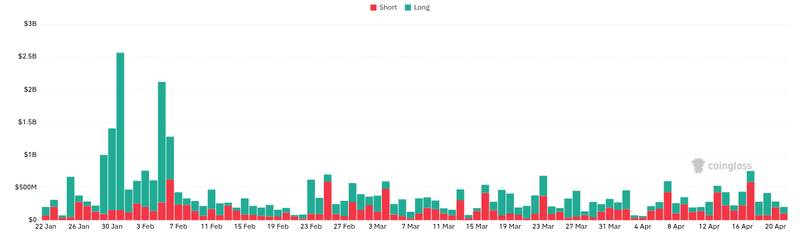
For traders, a regulated U.S. venue offering perpetuals could address counterparty risk concerns that have persisted since the collapse of FTX. The move also comes as the broader derivatives market shows sustained activity, with platforms tracking significant liquidation volumes across leveraged positions in recent weeks.
Kalshi's potential entry into crypto perpetuals also arrives during a period of broader institutional interest in digital asset derivatives. The Arbitrum Security Council's recent freeze of 30,766 ETH and developments like Upbit's listing of new tokens reflect an ecosystem where regulated infrastructure and new product offerings continue to expand.
Whether Kalshi can capture meaningful market share from established perpetuals venues remains an open question. The platform would need to offer competitive fee structures, deep liquidity, and a product experience that matches what traders expect from existing platforms. No details on leverage limits, margin requirements, or supported trading pairs have been made public.
Until Kalshi confirms the product and provides specifics on launch timing and regulatory clearance, the reported plan remains prospective. Traders and market participants watching developments in on-chain infrastructure and regulated derivatives should monitor for official announcements from the company or the CFTC.
Disclaimer: This article is for informational purposes only and does not constitute financial or investment advice. Cryptocurrency and digital asset markets carry significant risk. Always do your own research before making decisions.