

Spot Bitcoin ETFs See $171M Net Outflows on March 26 as Ethereum ETFs Post $92.54M Inflows
Spot Bitcoin ETFs posted $171 million in total net outflows on March 26 (ET), while spot Ethereum ETFs bucked the trend with $92.54 million in net inflows.


Spot Bitcoin ETFs recorded total net outflows of $171 million on March 26 (Eastern Time), while spot Ethereum ETFs moved in the opposite direction with $92.54 million in net inflows, highlighting a sharp divergence in institutional flows between the two largest crypto assets.
The contrasting fund flows come as broader crypto markets continue to navigate mixed sentiment heading into the final days of Q1 2026. The split between Bitcoin and Ethereum ETF demand on the same trading day underscores shifting allocations among institutional investors.
Bitcoin ETF Outflows: Which Funds Led the Selloff on March 26
U.S. spot Bitcoin ETFs shed a combined $171 million in net outflows on March 26, according to daily flow tracking data. The figure represents a notable single-day withdrawal from a product category that has seen volatile swings in investor appetite throughout early 2026.
Among the largest spot Bitcoin ETF issuers, Grayscale’s GBTC and Fidelity’s FBTC have historically accounted for a significant share of daily flow movements. BlackRock’s IBIT, the largest spot Bitcoin ETF by assets under management, has occasionally offset broader outflows with positive inflows of its own.
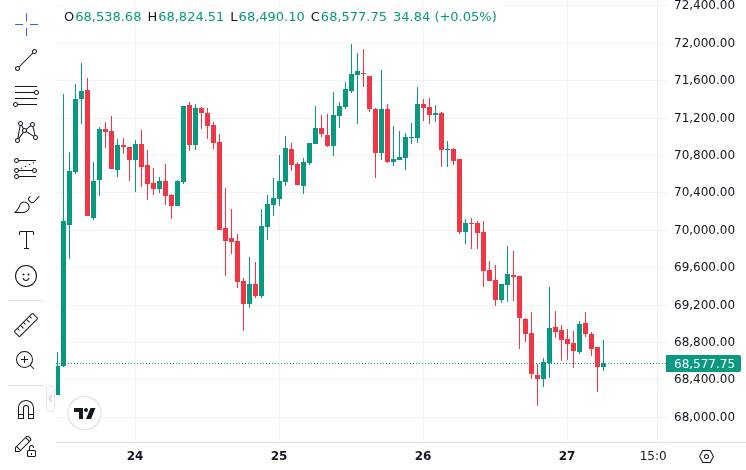
The $171 million outflow adds to a period of uneven Bitcoin ETF demand. Daily flows have swung between net positive and net negative territory multiple times in March, reflecting broader uncertainty about near-term price direction for Bitcoin, which has traded in a choppy range this month.
The timing also coincides with the approach of a major Q1 2026 quarterly options settlement, which can amplify short-term volatility and prompt hedging activity that spills into ETF flows.
Ethereum ETFs Diverge With $92.54 Million in Net Inflows
In contrast to the Bitcoin side, spot Ethereum ETFs attracted $92.54 million in net inflows on the same day. The positive flow marks a notable divergence, with institutional capital rotating toward Ethereum even as it exited Bitcoin products.
BlackRock’s ETHA and Fidelity’s FETH are among the leading spot Ethereum ETF products that have drawn inflows since launch. The $92.54 million figure suggests sustained institutional interest in Ethereum exposure, even on days when the broader ETF complex for crypto assets shows mixed results.
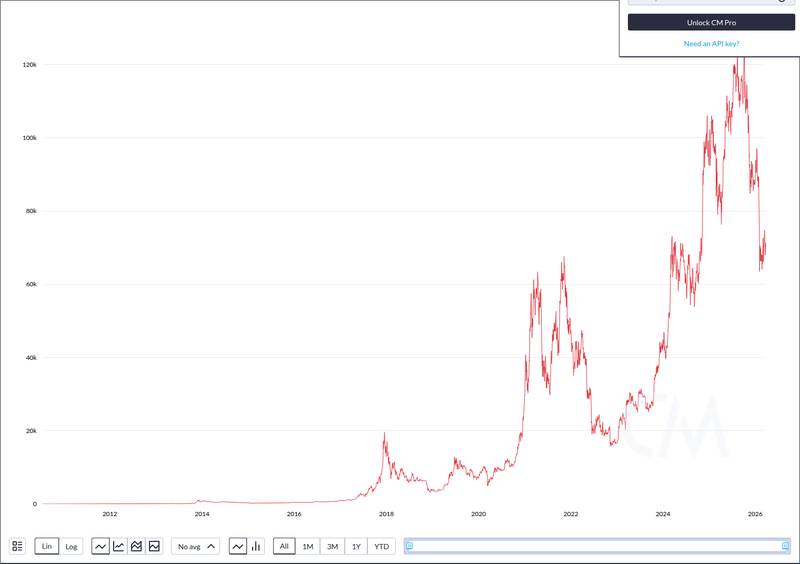
The BTC-ETH flow split on March 26 may reflect differentiated positioning ahead of quarter-end. Some market participants have rotated between the two assets based on relative valuation, upcoming network catalysts, or portfolio rebalancing needs as Q1 draws to a close.
This type of divergence is not unprecedented. Earlier in 2026, there were trading sessions where Bitcoin ETFs saw outflows while Ethereum products held steady or attracted capital, suggesting that institutional investors increasingly treat the two assets as distinct allocation decisions rather than a single “crypto” bucket.
KEY POINTS
- Bitcoin ETF outflows: Spot Bitcoin ETFs posted $171 million in total net outflows on March 26 (ET), continuing a stretch of volatile daily flows in March.
- Ethereum ETF inflows: Spot Ethereum ETFs attracted $92.54 million in net inflows on the same day, bucking the negative trend seen in Bitcoin products.
- Institutional divergence: The opposite-direction flows suggest differentiated positioning between BTC and ETH among institutional allocators heading into Q1 quarter-end.
The divergence arrives amid a broader market environment where regulatory developments continue to shape institutional crypto strategy. Recent moves by exchanges like OKX to pursue strategic deals and evolving global crypto regulatory frameworks add context to how institutions are approaching digital asset allocation.
With Q1 2026 closing this week, cumulative ETF flow data for the quarter will provide a clearer picture of whether the March 26 divergence was an isolated repositioning event or part of a broader rotation trend between Bitcoin and Ethereum products.
Disclaimer: This article is for informational purposes only and does not constitute financial or investment advice. Cryptocurrency and digital asset markets carry significant risk. Always do your own research before making decisions.


