

Trump’s Plan for 155% Tariff on Chinese Goods
Former President Donald Trump announces a planned 155% tariff on Chinese imports, affecting global markets and cryptocurrency values.

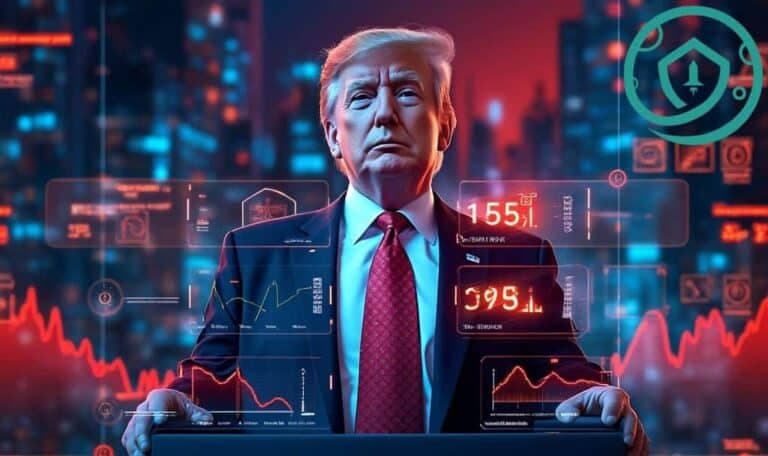
- Trump plans 155% tariff on Chinese goods; impacts global markets.
- Bitcoin experiences a price decline after tariff announcements.
- Trade uncertainties lead to risk-off sentiment in crypto markets.
Donald Trump announced a 155% tariff on Chinese imports to start November 1, 2025, at the White House, aimed at pressuring favorable trade negotiations.
The announcement increased U.S.-China trade tensions and caused noticeable cryptocurrency market volatility, including a decline in Bitcoin and Ethereum prices.
Former President Donald Trump has announced a planned 155% tariff on Chinese imports. The announcement aims to address perceived trade imbalances, escalating tension between the U.S. and China. Bitcoin’s value responded with increased volatility.
“Right now, as of November 1st, China will have about 155 per cent tariffs put on it. I don’t think it’s sustainable for them.” – Donald J. Trump
Key figures involved include Donald Trump and Xi Jinping. Trump’s strategy leverages tariffs as a tool to negotiate favorable outcomes. Immediate reactions include shifts in risk assets and market sentiment.
The announcement triggered volatility across financial markets, notably affecting cryptocurrencies such as Bitcoin and Ethereum. Following the tariff news, both currencies experienced marked price swings, reflecting market uncertainty. These tariffs may lead to significant economic and trade implications, impacting sectors reliant on U.S.-China trade. The cryptocurrency market, already prone to external shocks, shows increasing risk aversion among investors.
Historical patterns suggest such trade pressures often influence cross-asset capital flows. This time, market participants are closely monitoring trading trends and financial allocations. Potential outcomes include shifts toward stablecoins as a protective measure. Meanwhile, industry leaders and regulators analyze these trends to adjust their economic strategies. Market data continues to reflect these evolving dynamics.