Crypto Market Downturn Following U.S. Government Shutdown
A detailed analysis of the crypto market downturn triggered by a U.S. government shutdown, with significant losses in Bitcoin and Ethereum prices.


- U.S. government shutdown triggers a crypto market downturn.
- Bitcoin falls over 10% amid market slump.
- Ethereum experiences over 11% loss.
The U.S. government shutdown, beginning January 31, 2026, has significantly impacted the cryptocurrency market, causing a notable downturn as Bitcoin and Ethereum experience sizeable losses.
This market downturn underscores vulnerability to macroeconomic factors, with institutional outflows and low liquidity exacerbating challenges, sparking fears of prolonged financial instability.
The crypto market has faced a serious decline following the U.S. government shutdown on January 31, 2026. This event has caused significant unease among investors, leading to widespread selling of digital assets.
In the absence of direct intervention or supportive measures, Bitcoin and Ethereum have seen substantial price falls. Treasury Secretary Scott Bessent confirmed the U.S. Treasury cannot mandate banks to buy crypto assets.
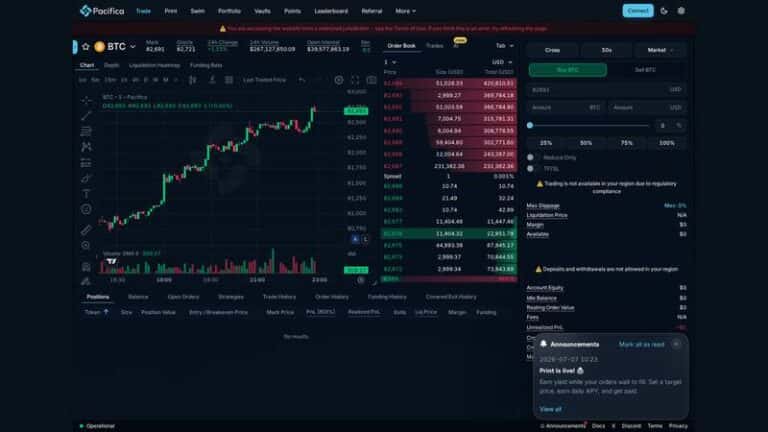
Bitcoin experienced a price drop exceeding 10%, falling to approximately $83,000. Ethereum also faced a steep decrease, sliding to mid-$2,600 levels. The overall market sentiment remains bearish due to uncertainty.
The financial implications are vast, with over $2.09 billion in liquidations within 24 hours. Such volatility highlights market fragility amid high rates and limited liquidity, mirroring past disruptions like the 2022 crash.
Historical precedents, such as past shutdowns, typically resulted in economic contractions. This event, however, poses unique risks to the crypto market due to its liquidity and sentiment-driven characteristics.
Data from on-chain activity and historical trends suggest that any recovery might require substantial liquidity influx and investor confidence. The market’s depth is currently lacking, reminiscent of the FTX incident of 2022.
Kobeissi Letters, Market Analysts, described the crash as ‘structural,’ noting crypto ‘never truly recovered’ since October 10 flush, with liquidations and sentiment in a ‘virtuous cycle.’