Three major DeFi protocols announced structural changes this week: Balancer is shifting to a DAO-controlled architecture, Lido is preparing a token buyback program, and Hyperliquid is expanding into commodity trading derivatives.
Three DeFi Protocols Make Structural Moves: Balancer, Lido, and Hyperliquid
A weekly project roundup from Wu Blockchain highlighted a cluster of governance and product changes across three established DeFi protocols. Each move represents a different type of structural shift, from governance decentralization to tokenomics redesign to market expansion.
Balancer Hands Control to the DAO
Balancer announced a transition to a fully DAO-controlled architecture. The move involves transferring protocol governance and smart contract ownership away from the core team and into community-governed structures.
DAO-first governance models have gained traction across DeFi as protocols seek to reduce single points of failure and increase community ownership. For protocols like Balancer that manage significant liquidity pools, decentralizing control over contract upgrades and fee parameters is a meaningful change in operational risk profile.
The shift is also relevant to the growing role of AI-driven governance tools. As protocols move to on-chain voting and delegation frameworks, autonomous agents can participate in proposal evaluation and vote execution, a pattern already emerging in several DAO ecosystems. The broader crypto landscape continues to see institutional and decentralized finance evolve in parallel with spot ETF flows reflecting shifting sentiment.
Lido’s Buyback Program Targets LDO Supply
Lido is preparing to launch an LDO token buyback program. The Lido DAO community initiated an automated buyback proposal scheduled for implementation in Q1 2026, signaling a move toward programmatic treasury management.
According to reporting from AMBCrypto, the buyback targets have been characterized as relatively modest, with discussion around whether the proposed scale is sufficient to meaningfully impact LDO supply dynamics.
Automated on-chain buyback mechanisms differ from discretionary treasury spending in a key way: they execute according to predefined smart contract logic rather than requiring governance votes for each purchase. This makes them predictable for market participants, and particularly useful for AI-managed DeFi portfolios that model token supply changes as part of valuation frameworks.
Lido’s exploration of new tokenomics primitives alongside its core liquid staking product reflects a broader trend where established crypto platforms are diversifying their financial product offerings to capture new user segments.
Hyperliquid Enters Commodity Markets
Hyperliquid is expanding its perpetual futures platform to include commodity trading pairs. The addition of traditional asset classes to a decentralized derivatives exchange represents a push to compete with centralized platforms and traditional finance brokerages.
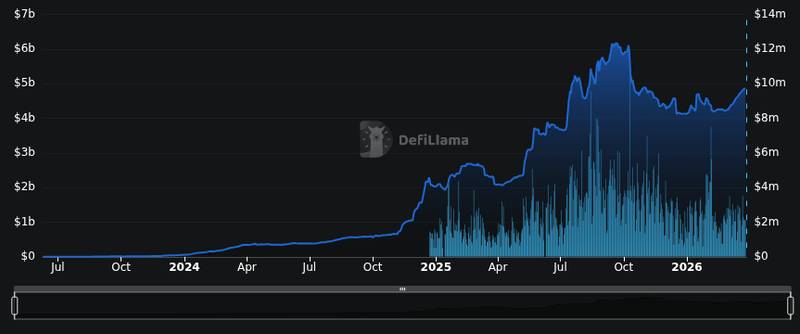
Commodity perpetuals on a decentralized exchange open new territory for algorithmic trading systems that already operate on Hyperliquid’s crypto pairs. The protocol’s high-throughput order book model, which differentiates it from AMM-based DEXs, is architecturally suited to the tighter spreads and higher frequency trading that commodity markets demand.
What These Shifts Signal for Decentralized Protocol Infrastructure
Taken together, these three announcements reflect distinct but converging trends in DeFi infrastructure design. Balancer’s DAO migration follows a broader pattern of protocols removing founding-team control in favor of on-chain governance, a structure that enables AI delegation agents to participate directly in protocol decision-making.
Lido’s automated buyback approach introduces a tokenomics primitive that several other protocols have adopted in recent quarters. Smart-contract-executed buybacks provide transparency and predictability that manual treasury operations cannot match, which matters for both human and algorithmic market participants tracking supply changes.
Hyperliquid’s commodity expansion pushes decentralized derivatives infrastructure into direct competition with traditional markets. As governments continue to navigate crypto regulation, including developments like Bhutan’s government reducing its Bitcoin holdings by 1,700 BTC this year, the line between on-chain and traditional financial infrastructure continues to blur.
For Q2 2026, watch whether Balancer’s DAO transition attracts AI governance tooling integrations, whether Lido’s buyback scale proves sufficient to shift LDO market dynamics, and whether Hyperliquid’s commodity pairs gain meaningful volume against centralized alternatives.
Disclaimer: This article is for informational purposes only and does not constitute financial or investment advice. Cryptocurrency and digital asset markets carry significant risk. Always do your own research before making decisions.