
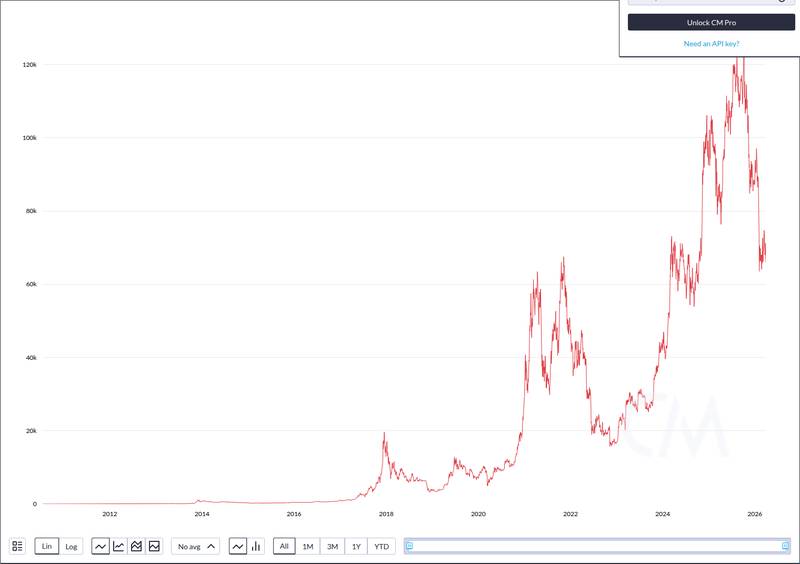
On-chain analyst Willy Woo has outlined a Bitcoin bottom range of $46,000 to $54,000 based on structural floor models, with the CVDD (Cumulative Value Days Destroyed) Floor Model serving as the anchor for the lower bound of that range.
Woo shared the analysis via his Telegram channel, pointing to on-chain pricing models that estimate where long-term cost-basis support sits for Bitcoin. The $46K to $54K band represents the zone where these models converge on structural price floors.
What Willy Woo’s On-Chain Models Say About Bitcoin’s Current Bottom
The CVDD Floor Model tracks the cumulative “value-time” destroyed when long-held coins move on-chain. In plain terms, it measures the aggregate cost basis of coins that have changed hands over Bitcoin’s entire history, weighted by how long each coin was held before moving. The result is a price floor that rises slowly over time as more economic value flows through the network.
According to Woo, the CVDD output currently anchors the lower end of the $46,000 to $54,000 support band. This is not a price prediction for where Bitcoin will trade next; it is a structural estimate of where on-chain cost-basis models suggest deep support exists.
Key Points
- CVDD range: On-chain floor models place Bitcoin’s structural bottom between $46,000 and $54,000
- Analyst attribution: The analysis comes from Willy Woo, a widely followed on-chain researcher
- Floor model vs. price target: A “bottom model” estimates where deep cost-basis support sits, not where price is headed next
Woo’s framework relies on multiple on-chain cost-basis indicators, not a single metric. The CVDD model is one component; it works alongside realized price, delta cap, and other valuation layers that approximate where large cohorts of holders acquired their Bitcoin. When several of these models cluster around the same zone, analysts treat it as a structurally significant support area.
Why On-Chain Bottom Models Matter for Bitcoin Investors
Cost-basis floor models like CVDD are considered lagging but structurally reliable. They do not react to short-term sentiment or leverage-driven moves. Instead, they reflect the accumulated economic history of the network, rising gradually as more value settles on-chain over time.
For long-term holders and dollar-cost-averaging strategies, these models serve as reference points for assessing risk-reward at different price levels. Investors tracking Bitcoin long positions on exchanges or monitoring sovereign accumulation trends often cross-reference on-chain floor models when evaluating entry zones.
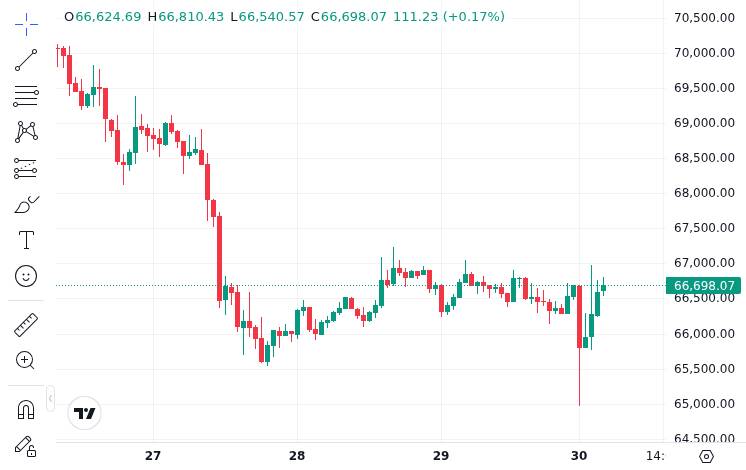
It is important to distinguish what floor models do and do not claim. A CVDD-derived support zone indicates where historical on-chain activity suggests strong accumulation has occurred. It does not guarantee that price will reach that level, nor does it guarantee a reversal if price enters the zone. On-chain models are one analytical input among many, not standalone trading signals.
Woo’s analysis adds to the broader toolkit that on-chain researchers use to map Bitcoin’s cycle structure. Investors interested in how different blockchain ecosystems are valued may find similar cost-basis frameworks applied across networks, though Bitcoin’s UTXO model provides the deepest dataset for this type of analysis.
The $46K to $54K range will remain a reference band for analysts watching whether Bitcoin’s price action respects these on-chain structural levels in the months ahead.
Disclaimer: This article is for informational purposes only and does not constitute financial or investment advice. Cryptocurrency and digital asset markets carry significant risk. Always do your own research before making decisions.