
Lido DAO has proposed contributing up to 2,500 stETH to a coordinated relief effort for users affected by the rsETH incident, marking a significant step in cross-protocol recovery efforts within the Ethereum DeFi ecosystem.
The proposal outlines a potential contribution to help offset losses sustained by users exposed to rsETH. The contribution is not finalized and remains subject to DAO approval through Lido's standard governance process.
stETH is Lido's liquid staking token representing staked Ethereum, while rsETH is a restaking token issued by Kelp DAO. The two assets are linked through DeFi integrations where stETH serves as collateral within restaking protocols.
Key Points
- Amount: Up to 2,500 stETH proposed as Lido's contribution
- Purpose: Part of a coordinated relief effort for rsETH-affected users
- Status: Proposal stage, pending Lido DAO governance approval
What Lido's Proposed 2,500 stETH Contribution Means
A forum post detailing potential losses to EarnETH in connection with the rsETH incident preceded the relief proposal. EarnETH is a Lido-affiliated vault product that held exposure to rsETH, creating a direct link between the incident and Lido's ecosystem.
Lido had previously paused EarnETH after the Kelp rsETH hack and activated DAO protection measures, signaling the severity of the situation before this broader relief proposal emerged.
The relief effort appears to be a multi-protocol coordination, with Lido's proposed 2,500 stETH representing one contribution among potentially several. On-chain records on Etherscan show related transaction activity tied to the incident's aftermath.
Why the rsETH Relief Proposal Matters Now
User Impact
Users who held exposure to rsETH through Lido-affiliated products like EarnETH stand to benefit if the relief proposal passes. The 2,500 stETH cap suggests the DAO is scoping its liability rather than committing to full restitution, though the final amount could be lower depending on the governance vote.
Protocol Significance
Lido is the largest liquid staking protocol on Ethereum, and its willingness to contribute to cross-protocol relief sets a precedent for how DeFi ecosystems handle cascading failures. The incident highlights the interconnected risks in crypto's evolving infrastructure, where integrated systems share exposure across protocols.
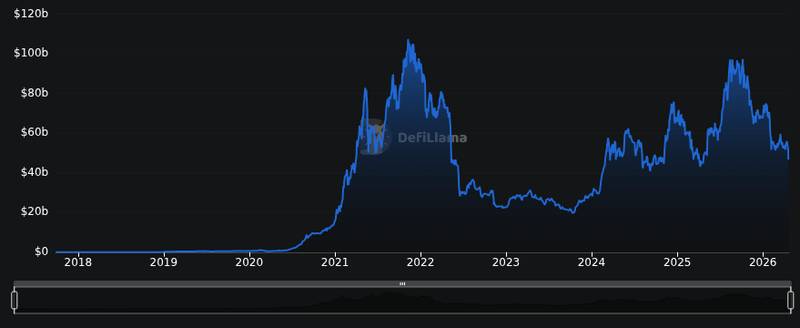
Ethereum's DeFi ecosystem currently holds significant total value locked across lending and liquid staking protocols. The rsETH incident underscores how a single restaking token's failure can ripple through vaults and lending markets simultaneously.
Next Steps to Monitor
Three developments will determine the outcome of this proposal. First, the Lido DAO governance vote will set the final contribution amount. Second, the mechanism for distributing funds to affected users has not been publicly detailed.
Third, whether other protocols involved in the rsETH ecosystem contribute to the relief effort will shape the total recovery available to impacted holders. The coordination between protocols mirrors broader trends in DeFi governance, where incidents increasingly require cross-platform accountability rather than isolated responses.
Disclaimer: This article is for informational purposes only and does not constitute financial or investment advice. Cryptocurrency and digital asset markets carry significant risk. Always do your own research before making decisions.