
The Phantom memo, Hester Peirce's speech, and the Trading and Markets FAQ all point to a softer SEC tone on passive crypto interfaces, but they do not add up to a blanket broker-dealer exemption for DeFi front ends. The supportable takeaway is narrower, and it matters for AI-crypto apps too: some non-custodial, non-discretionary interfaces appear to fit poorly inside legacy broker rules, even though the formal legal safe harbor has not arrived.
An April 17, 2025 SEC-hosted Crypto Task Force memo from Phantom put the clearest DeFi UI-specific argument on the table. The filing described Phantom Wallet as an unhosted, non-custodial wallet and browser extension that lets users self-custody assets on personal devices while linking to third-party DEXs.
Key Points
- SEC-hosted materials support a narrower view for passive, non-custodial interfaces, not a blanket DeFi approval.
- Hester Peirce said tokenized-securities systems may need exemptive relief from broker-dealer, clearing-agency, or exchange rules.
- Trading and Markets staff said its crypto FAQ responses have no legal force or effect.
What the SEC record actually says about DeFi UIs
That April 17, 2025 Phantom memo argued the wallet should be able to operate without becoming, and without requiring the use of, a registered broker-dealer because trades occur directly between users and third-party DEXs and the wallet acts only as a passive interface. The same memo also argued that the Exchange Act's broker framework is ill-fitted to fully disintermediated transactions carried out peer-to-peer or person-to-protocol.
In a May 8, 2025 speech, Commissioner Hester M. Peirce said the SEC Crypto Task Force was considering a potential exemptive order that would let firms use distributed ledger technology to issue, trade, and settle securities. She also said automated market making systems for tokenized securities may otherwise have to register as a broker-dealer, clearing agency, or exchange.
"They do not have to comply with inapt regulations."
Hester M. Peirce in a May 2025 SEC speech
The next official marker came in the May 15, 2025 Division of Trading and Markets FAQ, which says staff responses are not rules, are not statements of the Commission, and "have no legal force or effect." That disclaimer is why the current record reads as a policy signal, not a binding safe harbor for every DeFi front end.
Why the distinction matters for builders and users
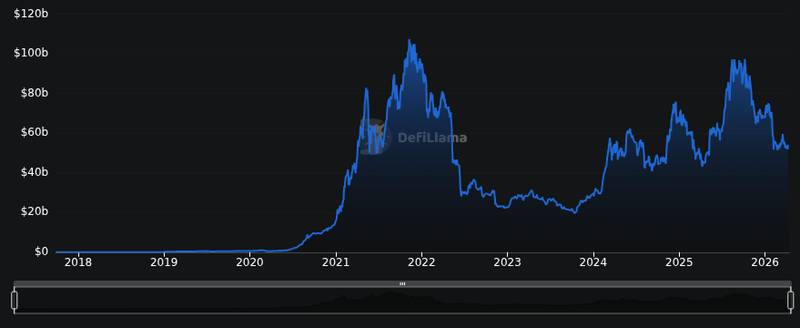
That distinction matters because $112.8 billion in Ethereum total value locked still sits behind interfaces that users reach through wallets, dashboards, and front ends, according to DefiLlama's Ethereum page. Even narrow relief for passive interfaces would therefore affect a large live market, not a theoretical corner of crypto.
For builders, the compliance read is functional rather than categorical: the Phantom memo hinges on non-custody and non-discretion, while the Peirce speech frames relief as something the SEC is still considering for tokenized-securities venues. Teams planning U.S. launches will likely compare that narrow SEC posture with other fast-moving rule sets, including the regional policy shifts covered in Asia's Weekly Top 10 Crypto News: Russia Ban, Japan Rules.
For users, lighter broker-dealer treatment for a passive interface is not the same thing as a safety endorsement for tokens, bridges, or contracts. That remains obvious on Ethereum-based rails, where incidents like Hackers Minted 1 Billion Fake DOT on Ethereum, CertiK Says showed how quickly contract-verification failures can spread through familiar wallet flows.
"Developers shouldn't have to guess whether building public, neutral, and non-custodial software exposes them to the risk of being treated like financial intermediaries."
Miles Jennings, Aiden Slavin, and David Sverdlov in an a16z crypto policy piece
Outlook for tokenized rails and AI-crypto apps
The strongest forward-looking point in the record is still the May 8 speech: the SEC is openly discussing tailored relief for systems that use distributed ledger technology to issue, trade, and settle securities. Read alongside the Phantom submission, that suggests the agency is moving toward a software-function analysis, where passive code is treated differently from an intermediary that takes custody or discretion.
That matters to the broader AI-crypto stack because the Phantom memo focuses on passive, non-custodial software, and many decentralized AI products rely on the same wallet and smart-contract pattern seen in DeFi. If the SEC keeps focusing on whether software is passive, custodial, or discretionary, builders of tokenized AI marketplaces and agent-facing trading interfaces get a more legible framework, even if macro stress like the risk-off backdrop in QCP Capital: US-Iran Talks Collapse, Oil Tops $100, BTC Rejected at $74K still limits deployment appetite.
With the May 15 FAQ disclaiming legal force and the May 8 speech describing exemptive relief as something still under consideration, the record does not yet support a published Division of Trading and Markets position saying all DeFi UIs can ignore broker-dealer registration. Until the SEC moves from staff materials and commissioner speeches to Commission action or formal relief, the practical story is incremental regulatory softening, not settled law.
Disclaimer: This article is for informational purposes only and does not constitute financial or investment advice. Cryptocurrency and digital asset markets carry significant risk. Always do your own research before making decisions.