Binance has formally partnered with Philippine fintech BlockShoals Technologies to re-enter the Philippines through the Securities and Exchange Commission’s regulatory sandbox, marking the exchange’s first sanctioned path back into a market that blocked it more than two years ago.
The partnership, officially announced on May 27, 2026, places BlockShoals as the locally accountable intermediary operating under the SEC’s Strategic Sandbox (StratBox) framework. Binance provides the global technology infrastructure, security systems, and product capabilities, while BlockShoals handles all regulatory compliance and SEC reporting obligations.
The arrangement follows what both parties described as “more than two years of regulatory engagement with the SEC.” BlockShoals received in-principle approval from the SEC Commission En Banc on November 12, 2025, under SEC Memorandum Circular No. 9, Series of 2024.
How the SEC Sandbox Makes This Re-Entry Possible
The StratBox framework allows firms to test innovative financial products in a live, controlled environment. Participants may receive modified or waived licensing, registration, or compliance requirements during the testing period. BlockShoals is the fourth entity approved to participate, alongside firms testing US equities offerings and tokenized real estate.
Operational testing is scheduled to begin in H2 2026 and run for a minimum of 24 months, with periodic SEC reviews after the first year that may shorten or extend the timeline. This is not a full license. A broader retail rollout depends entirely on sandbox performance.
A BlockShoals representative stated that the partnership is “an opportunity to demonstrate that global digital-asset platforms and local regulatory frameworks can work together constructively, building a secure and locally accountable platform for Filipino users.”
Binance’s Head of APAC, known as Seker, noted that the StratBox framework enables responsible financial innovation by allowing industry participants and regulators to collaborate within a controlled environment, with Binance’s focus remaining on user protection and alignment with evolving local regulatory parameters.
What Binance Lost in the Philippines
The Philippine SEC first warned the public against Binance in November 2023 for unlicensed operations. By March 2024, the SEC had asked the National Telecommunications Commission to block ISP access to the platform. Binance’s mobile apps were subsequently removed from Philippine app stores and remain geo-blocked as of May 2026.
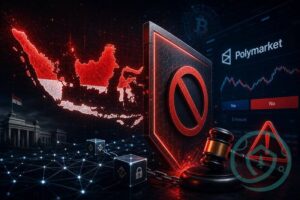
The Philippines was not an isolated case. The SEC has also issued advisories against OKX, Bybit, KuCoin, Kraken, Coinbase, Gemini, dYdX, Aevo, and others as part of a broader crackdown on unlicensed foreign crypto exchanges. That wider enforcement push, similar to Indonesia’s move to block Polymarket over regulatory concerns, reflects a regional trend of Southeast Asian regulators tightening control over crypto platforms.
For Binance, the Philippines represents a strategically important remittance-heavy, crypto-active market. The sandbox intermediary model could serve as a template for re-entering other jurisdictions where Binance has faced bans or restrictions, including India and Nigeria.
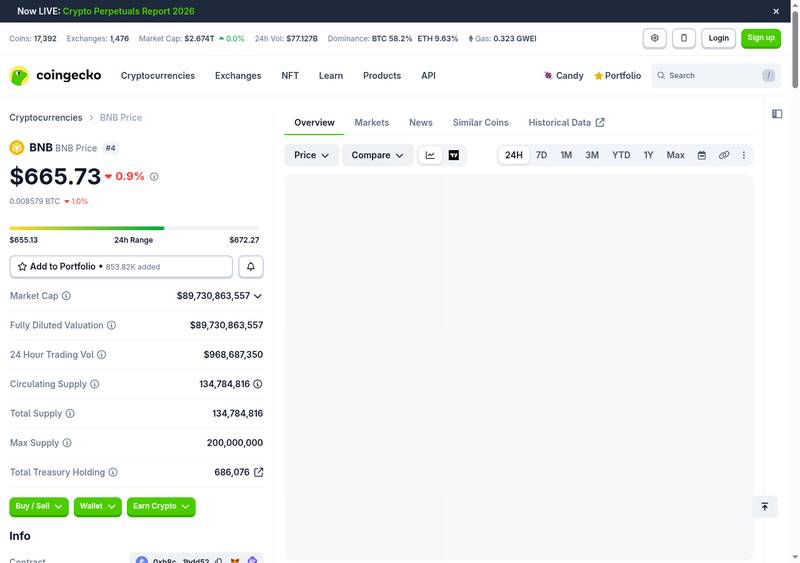
BNB, Binance’s native token, traded at $665.70 with a market cap of approximately $89.7 billion at the time of the announcement, down 0.70% over the prior 24 hours.
What Philippine Crypto Users Can Expect
For now, nothing changes for Filipino users. Binance’s apps remain blocked, and the sandbox testing phase has not yet begun. No specific product scope, whether spot trading, P2P, or staking, has been publicly detailed under the sandbox terms.
The critical next step is the H2 2026 launch of the operational testing phase. After that, annual SEC reviews will determine whether the sandbox continues, expands, or terminates. Full licensure, if it comes at all, lies beyond the 24-month minimum sandbox period.
One notable detail: the SEC’s original StratBox approval notice described BlockShoals’ global exchange partner without naming Binance directly, according to BanklessTimes reporting. The formal identification of Binance came only through the joint press release, raising questions about transparency in the regulatory process.
The broader crypto market sits in a cautious posture, with the Fear & Greed Index at 34, firmly in “Fear” territory. That sentiment extends to Philippine crypto communities, where recent capital outflows from digital asset funds have reinforced a risk-off mood. Financial terms of the Binance-BlockShoals partnership have not been disclosed.
The sandbox structure means Filipino users will not gain Binance access during the negotiation and early testing phases. Whether the StratBox path ultimately leads to a full return depends on regulatory milestones that stretch well into 2028, with no guarantee of a permanent license at the end. For the evolving landscape of crypto regulation in the region, this partnership represents a test case that other blocked exchanges will be watching closely.
Disclaimer: This article is for informational purposes only and does not constitute financial or investment advice. Cryptocurrency and digital asset markets carry significant risk. Always do your own research before making decisions.